Assess Your Assessment: Validation and Outcomes Studies Explained
You’ve implemented a risk and needs assessment. Your team is using the data to inform decision-making. Now what?

You’ve implemented a risk and needs assessment. Your team is using the data to inform decision-making. Now what?

We’ve compiled a list of the top five questions we hear and straightforward answers to help you educate others and demonstrate why assessments are helping you advance justice in your community.

There are two key ways data is used to drive evidence-based practice: measure progress and drive action.
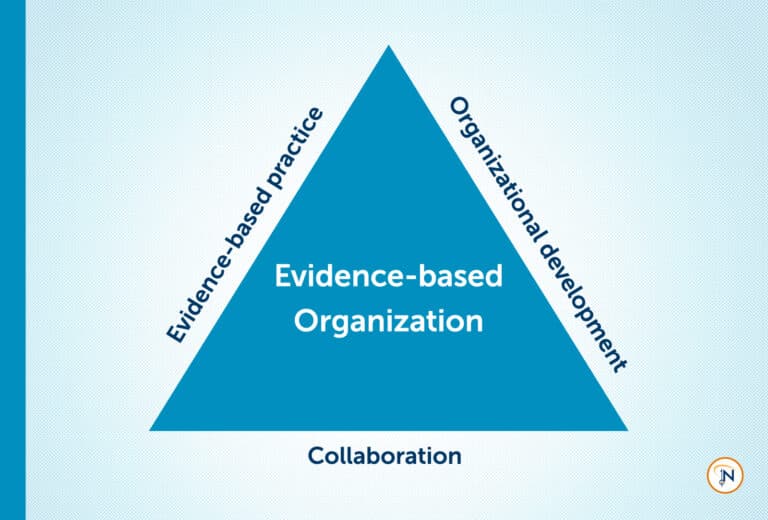
Successful evidence-based organizations reduce recidivism by addressing and adopting three key priorities.
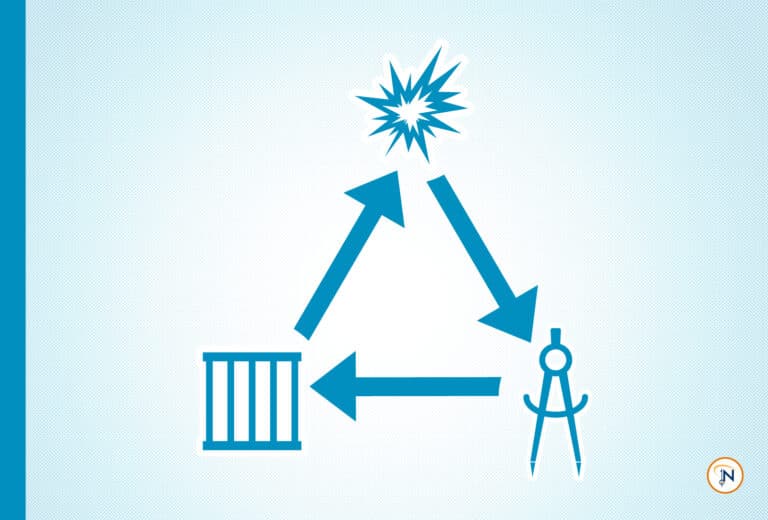
Reducing recidivism is one of the most important things we can do as supervision professionals. It’s also one of the hardest.
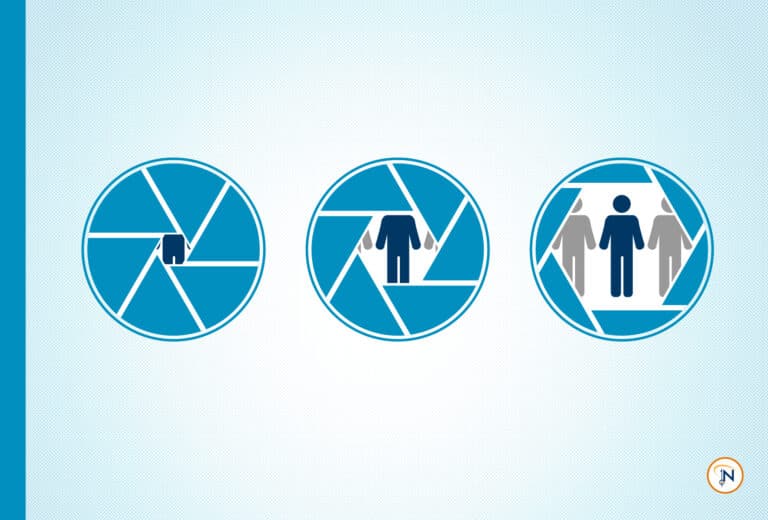
The Risk-Needs-Responsivity model can help you ensure you’re using a variety of strategies to safely and cost-effectively manage offenders.

Taking a responsive and evidence-based approach to case planning can help lay the groundwork for positive incremental successes on an individual level, and eventually, lower recidivism rates on a community level.

Knowing more about RNR can help us all be more effective at our jobs and promote better outcomes for our clients and communities. So let’s dig in.

Client needs are a key factor in every supervision plan, and their utility doesn’t stop there. Understanding individual needs is often the key to effective intervention and improved outcomes.

If you’re using trusted, validated risk/needs assessment tools, then you may ask, why override the recommendations it makes? It’s a good question. Statistically, it’s more effective to trust the tool than to override it.